
The complete guide
Choosing a Toy Bug Set, A Practical Buyer's Guide
The problem with most bug toys
Walk down any toy aisle and you will find bags of plastic bugs for pocket change. Open one at home and you discover the catch. Four identical ladybirds, three identical ants, and a couple of shapes that could be a beetle or could be a blob. The child sorts them once, loses interest, and the bag ends up at the bottom of the toy box.
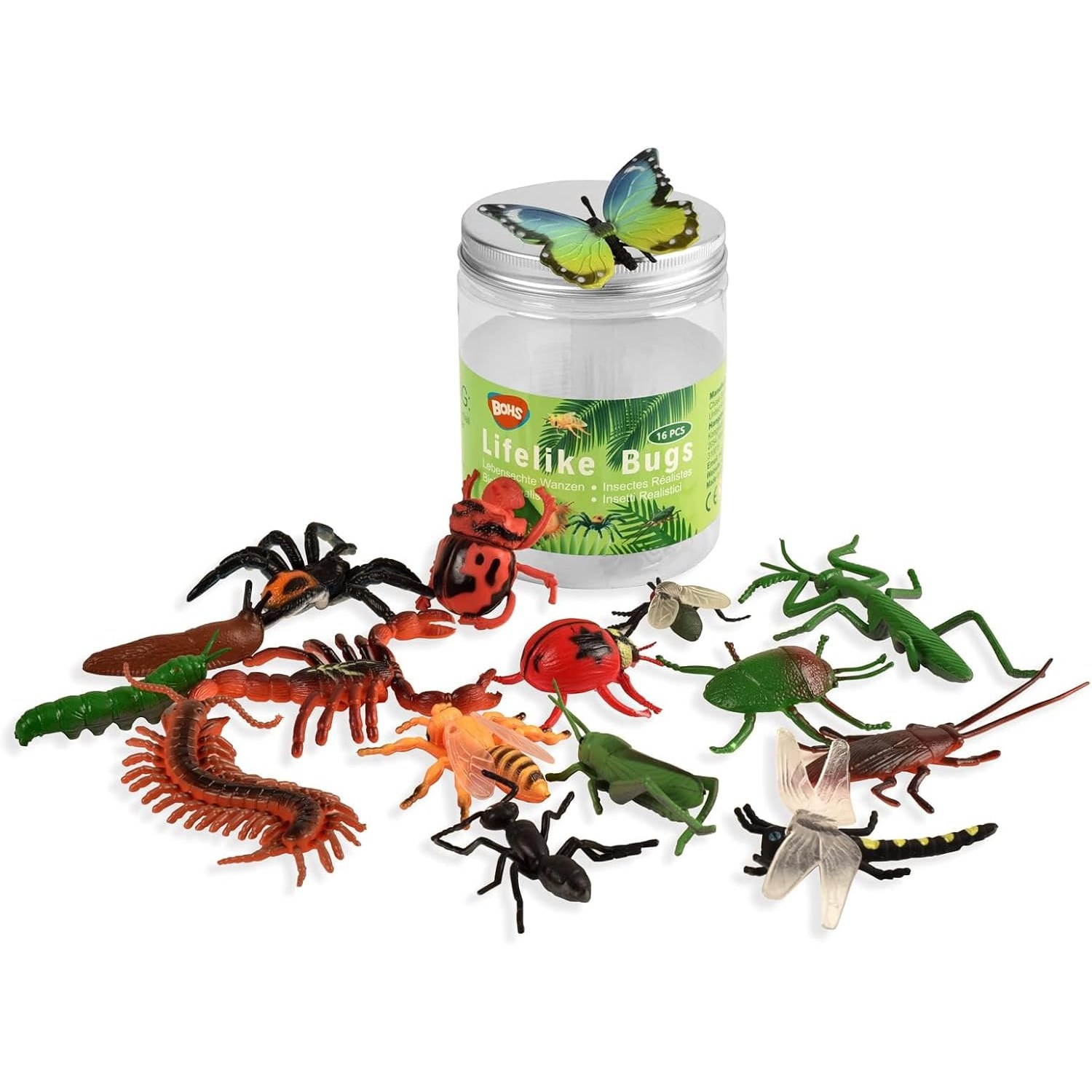
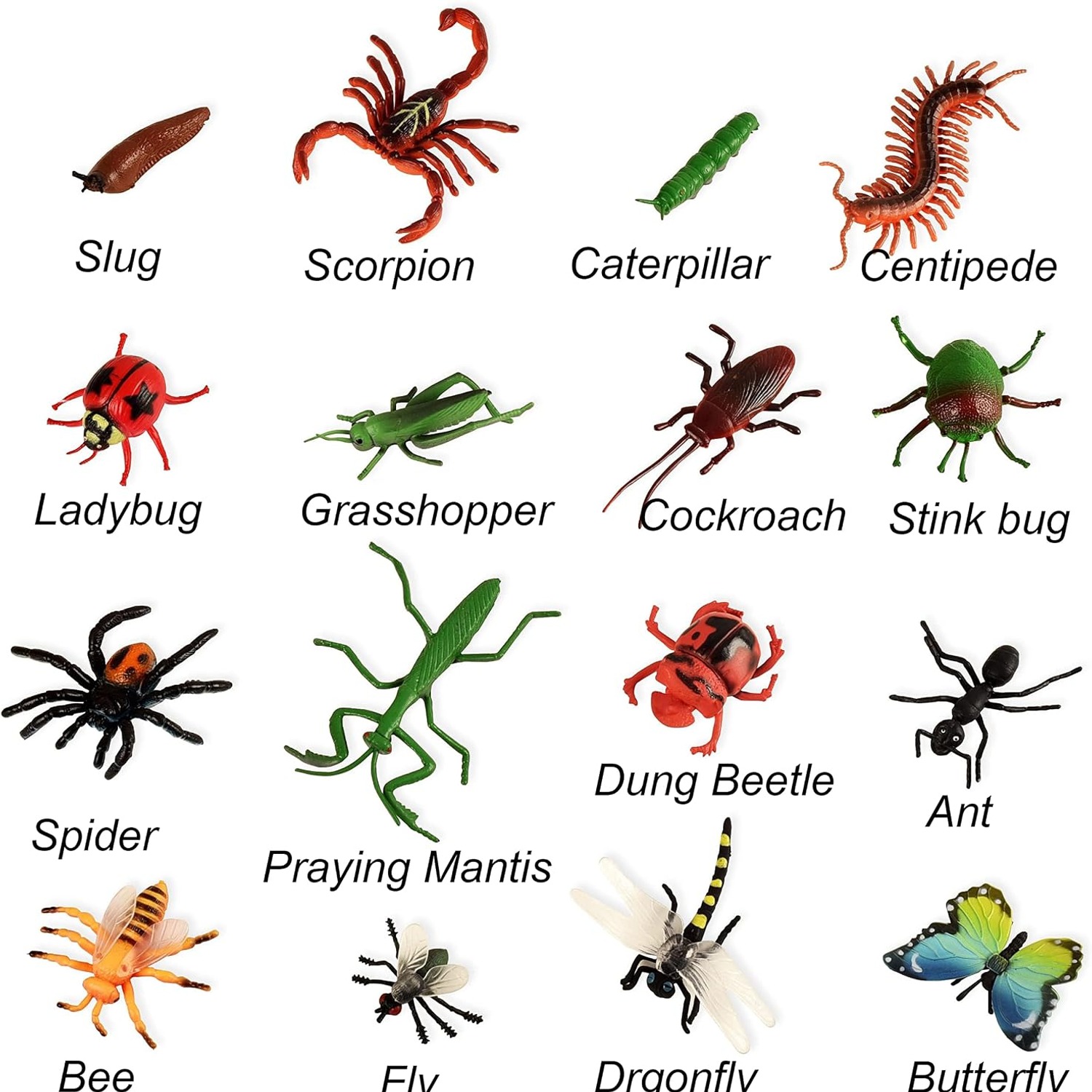
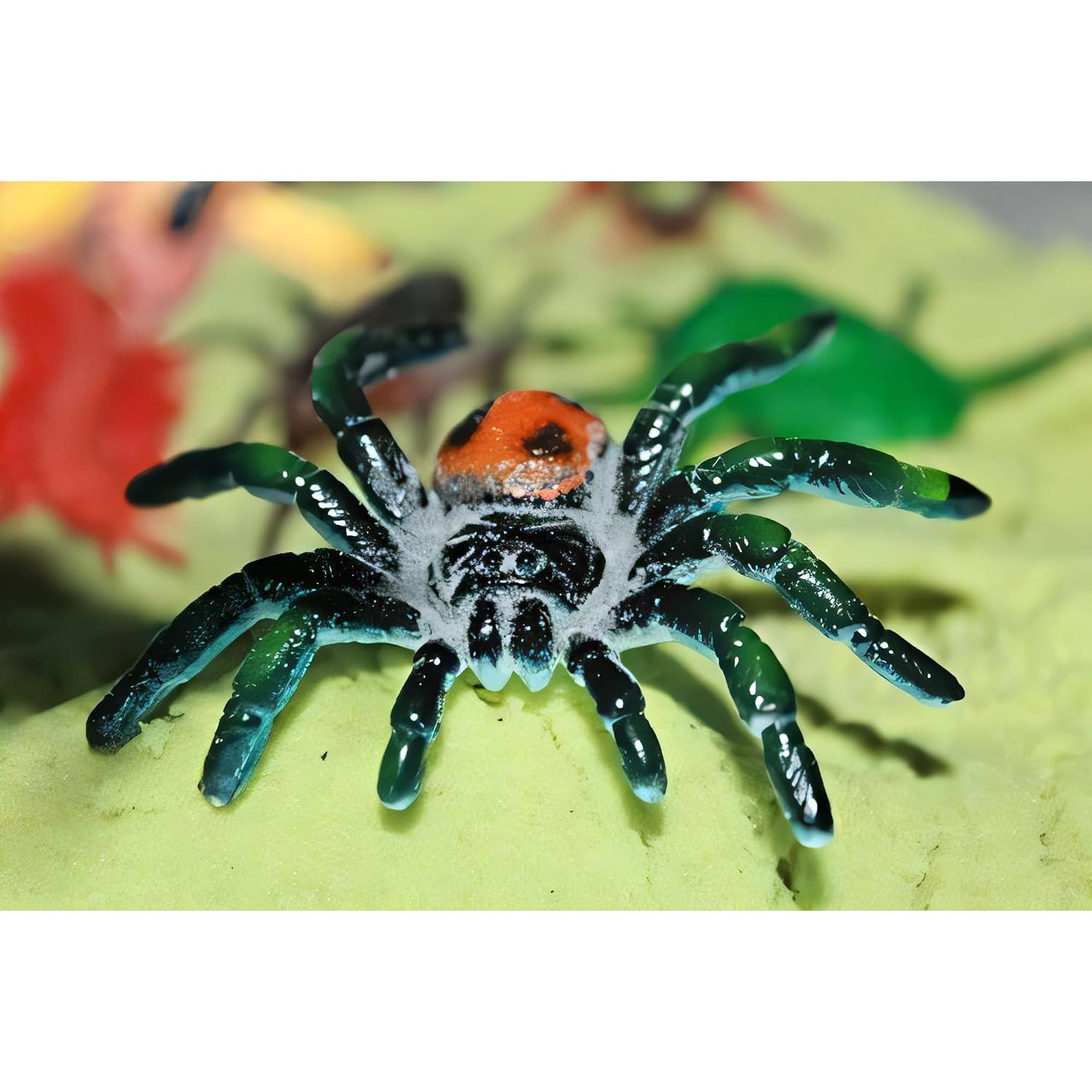
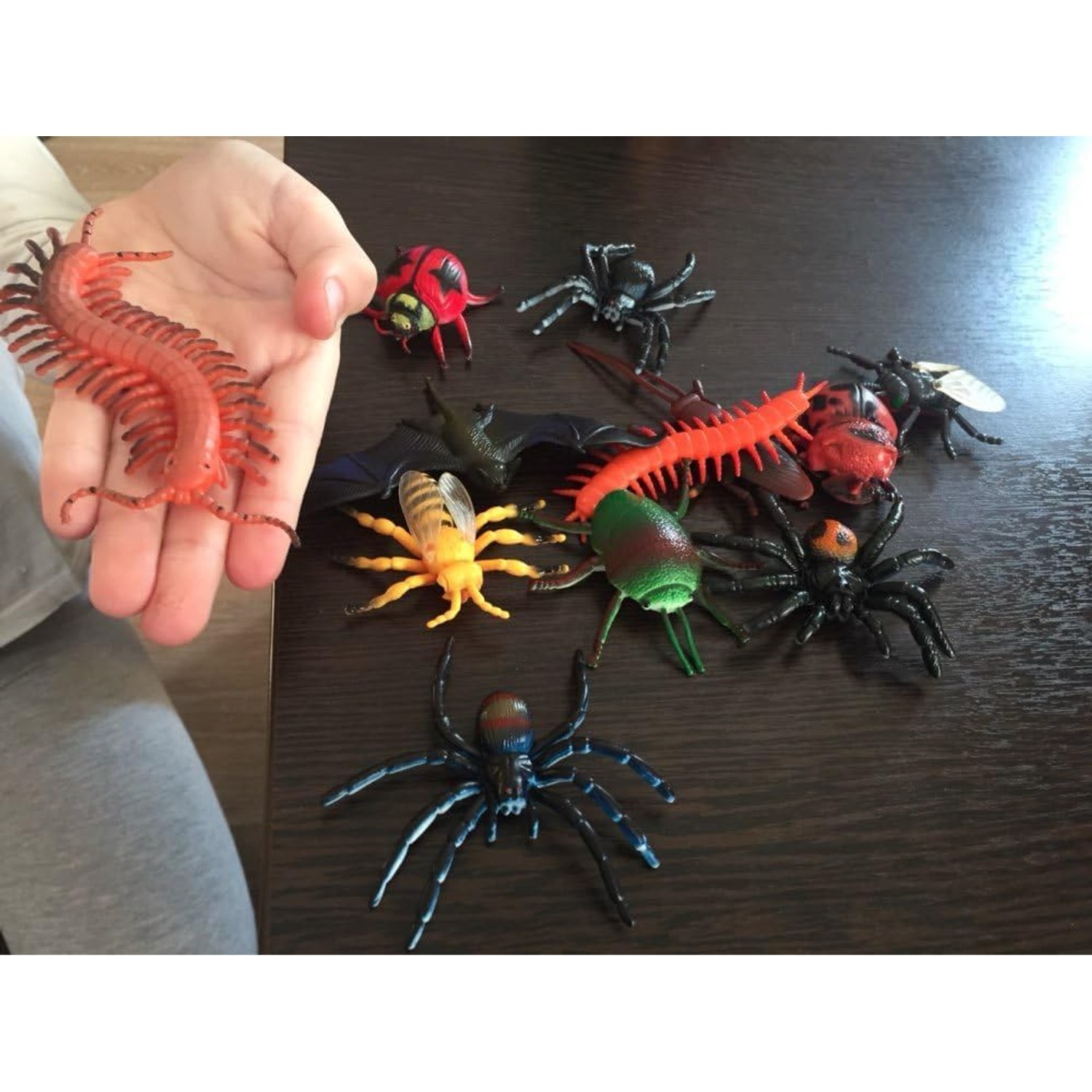
That is the gap this 16-piece insect figures set fills. Sixteen pieces, sixteen different species, nothing repeated. The variety is the whole point. A child can lay them out and count sixteen distinct creatures, then start asking which one has wings, which one has pincers, which one they saw in the garden last week. Curiosity needs something new to look at, and duplicates kill that quickly.
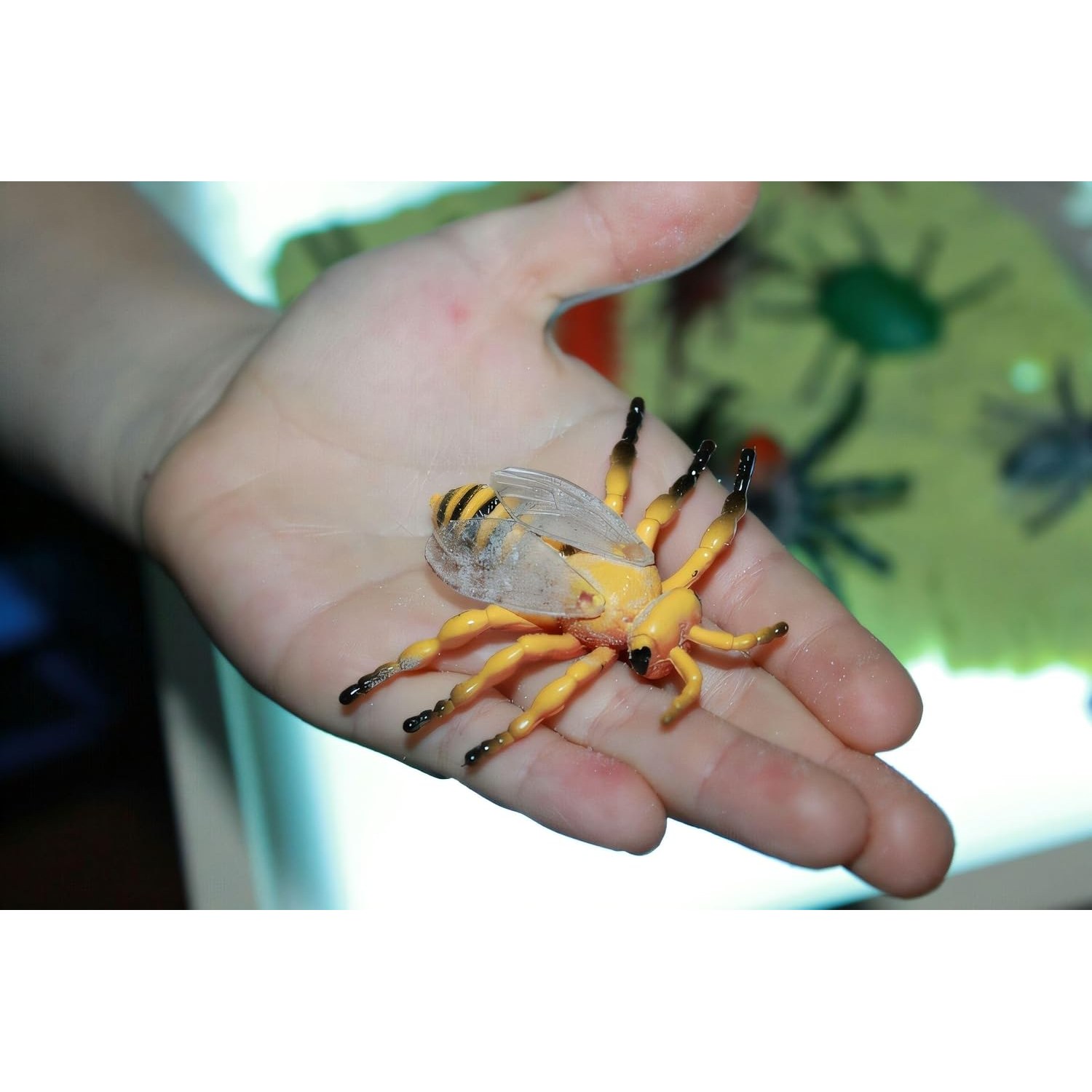
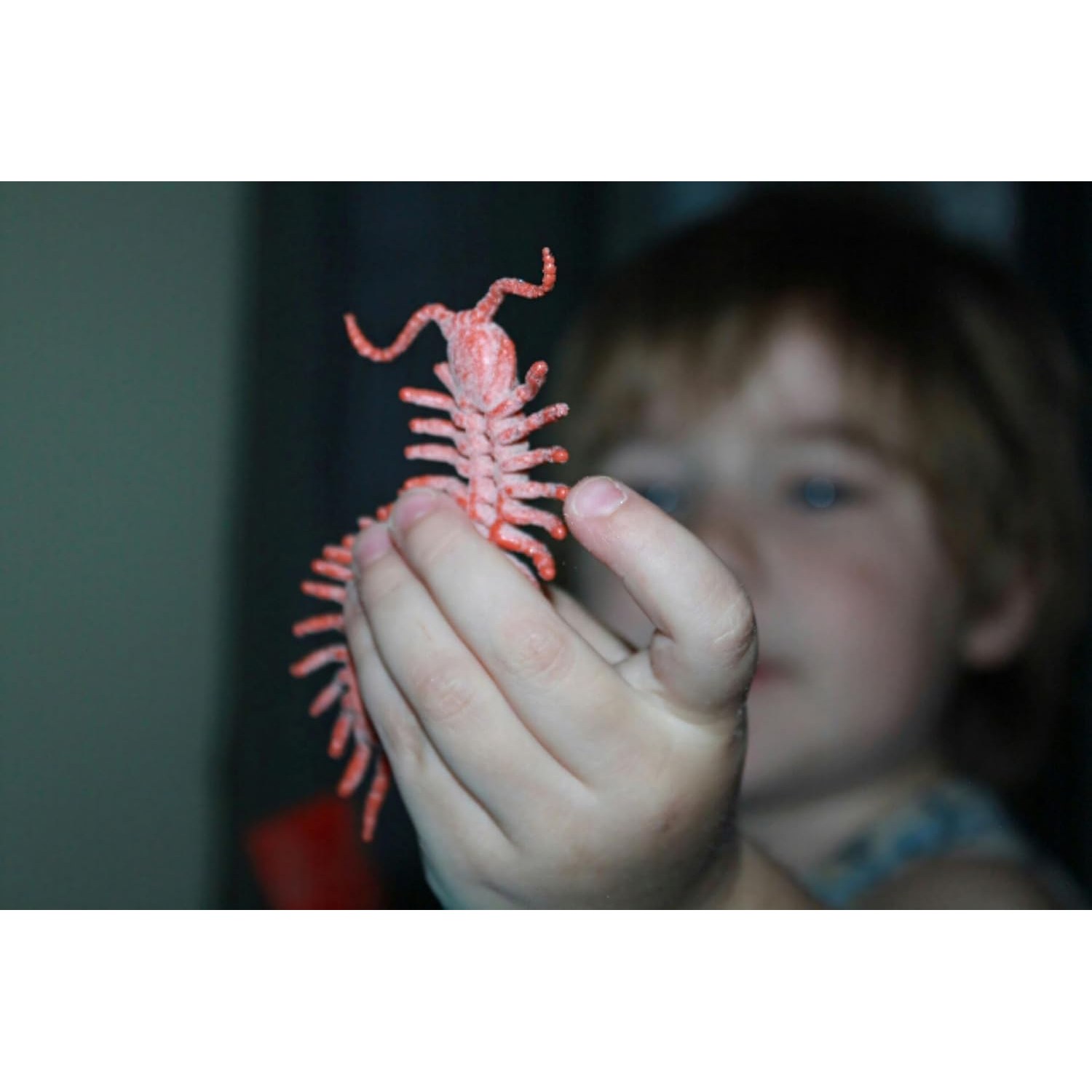
Size matters too. These sit around 2 to 3 inches, which is the range where sculpted detail actually shows. Tiny figures lose their legs and texture in the molding. Oversized ones stop being handheld and start being furniture. At this size, a six-year-old can hold a figure in one hand and trace the wing cases with a finger.
How a set like this actually gets used
Parents usually buy one of these for a specific reason, then find it drifts into four or five others.
The first use is learning. A plastic beetle is a surprisingly good teaching tool. You can point at the three body sections, count the legs, talk about antennae and compare it to a spider that does not match the pattern. For a show-and-tell or a short school project on insects, having physical models beats a printout every time. This is the sort of thing teachers mean when they look for the best STEM nature toys that do not need batteries or an app.
The second use is play. Kids build habitats out of sticks and leaves, stage battles between a stag beetle and a dinosaur figure, bury them in sand for a dig-and-find game, or hide them around the house for someone else to find. There is no right way to use them, which is part of why they last.
The third use is fine motor and sorting work. Tongs, tweezers and scoops turn sixteen bugs into a proper activity. Sort by color, by number of legs, by whether they fly. Early years teachers do this constantly, and a set with no duplicates makes the sorting genuinely interesting.
The fourth is social. Party bags, treat bags, Easter baskets, advent calendar pockets, cake toppers. Sixteen pieces split across a guest list means one purchase covers a whole party, and most kids would rather take home a realistic rhino beetle than another sheet of stickers.
Who the set suits
The manufacturer recommends ages 36 months to 6 years. That is a sensible window. Below three, small plastic pieces are a choking hazard, full stop. Do not hand this set to a preschooler who still mouths toys, and be careful if an older sibling plays on the floor where a baby crawls.
At the top end, the figures keep working past six. Seven and eight year olds use them for school projects, stop-motion videos, dioramas and desk decoration. Adults who teach, run nature groups or build terrariums and model scenes buy sets like this too. The age guidance is about safety at the bottom end, not about interest fading at the top.
The set suits households that already have other figure collections. Dinosaurs, farm animals, sea creatures, people figures. Mixed play is where a lot of the fun comes from, and small insect figures slot into existing worlds without taking over.
It is less suited to anyone wanting articulated or posable toys. These are static molded figures. They do not have moving joints, they do not make sounds, and they do not come with a carry case or a playmat.
How to choose between bug sets
If you are comparing a few options, these are the things that actually make a difference.
Count the species, not the pieces. A 30-piece bag with eight repeated molds is worse than a 16-piece set with sixteen different bugs. Species variety is what holds attention. Check listings for the phrase "no duplicates" or count the species in the photo.
Check the size range. Anything under about an inch is fiddly and easy to lose. Anything over four inches stops fitting in small-world scenes. The 2 to 3 inch band is the practical middle.
Look at the sculpt. Good figures show separated legs, visible wing cases and some surface texture. Flat, glossy, featureless plastic photographs fine but disappoints in the hand.
Think about where they will live. If the set is destined for a sensory bin or garden, smooth plastic that wipes clean is what you want. Flocked or fabric-covered figures look nice but trap dirt.
Match the age guidance honestly. It is tempting to buy up for a two-year-old because they love bugs. Wait. Choking risk is not a technicality.
Caring for plastic insect figures
Cleaning is easy and worth doing. Warm water, a drop of mild dish soap, a cloth or soft toothbrush for the sculpted grooves. Rinse, then dry fully. Water sitting in a hollow leg can go stale if you put the set away damp.
Skip the dishwasher. Heat and plastic figures do not get along, and the hot cycle can soften thin legs and dull painted detail. The same goes for boiling water and chemical sprays. Soap and a cloth handle anything a garden can throw at them.
Sunlight is the slow enemy. Colored plastic left on a sunny window ledge for months will fade. Store the set in a box or drawer instead of leaving it on display in full sun.
Keep the pieces together. A lidded box, a zip bag or a compartment tray all work, and a tray has the bonus of turning tidy-up into a sorting game. Count them back in after outdoor play, because a brown beetle in long grass is effectively invisible.
Finally, check the set occasionally. If a figure cracks or develops a sharp edge, bin that piece. Fifteen good bugs beat sixteen with one broken.
Getting more out of the set
A few ideas that cost nothing and stretch the toy a long way.
Set up a nature table. Figures, a magnifying glass, a few leaves and a notebook. Ask your child to draw one bug a day.
Make a matching game. Print or draw simple cards with insect names and let them pair each figure to a card. It builds vocabulary without feeling like homework.
Run a backyard hunt. Hide the bugs in the garden and give a short time limit. Finding a plastic cricket often leads to spotting a real one.
Use them for counting and math. Sixteen pieces divides neatly for grouping, sharing and early multiplication work.
Build a small world. A shoebox, soil, twigs, a bottle cap of water. Kids will do the rest.
The short version
This is a straightforward, well-judged toy bug set. Sixteen plastic insect figures, every one different, in the 2 to 3 inch range that suits both close study and rough play. The listed uses cover biology projects, pretend play, party favours and cake decor, and in practice families find a few more.
It is recommended for ages three to six, it is indoor-rated but survives garden trips with a wash, and it wipes clean in a minute. It is not posable, it has no electronics, and it does not need any. The appeal is a box of convincing little creatures a child can line up, sort, hide, study and argue over.
If you want one purchase that works as a gift, a teaching aid and a stash of party favours, this covers all three without fuss.